
Are braces just for kids? If you have braces do you have to give up the foods you love? And will kissing make your braces stick together? It’s time to debunk the top 17 myths about getting braces.
1. Getting Braces Is Only a Cosmetic Thing
This is probably the biggest misconception about braces, so let’s deal with it first.
Many patients believe that getting braces is all about cosmetics. It’s not. Sure, achieving straighter teeth may be one of your goals, but braces offer other benefits to your health. Orthodontists and dentists recommend braces mostly to deal with a bite that’s out of alignment.
An abnormal bite can lead to other problems like tooth wear, or make it more difficult to clean your teeth. Plaque build-up can result in decay or gum disease.
2. You Must Wear Braces for a Long Time
This is not necessarily true. The duration of your braces treatment depends on your particular issue, as well as your level of compliance with your orthodontist’s instructions. Treatment plans vary according to each patient’s situation, but the general period for treatment is one to three years.
Treatment times can be kept to a minimum if you follow all instructions, which includes taking care not to break brackets and wires, as well as wearing elastics, if required.
3. Braces Are Painful All the Time
Today’s braces are smooth and sleek compared to braces your parents or grandparents may remember. Due to modern technology, they work by applying a gentle, constant force to move your teeth. It is still possible to experience discomfort, especially in the early days as your mouth gets used to your new appliance. You may wish to place orthodontic wax over any rough surfaces if you are noticing them rubbing on the inside of your lips or cheeks.
As a general rule, tooth movement pain is generally limited to an on-and-off dull ache, and any sharper pain is usually experienced only when the braces are damaged from eating something you shouldn’t (such as a poking wire).
Don’t let the fear of pain or mild discomfort put you off seeking treatment for a straighter, healthier smile.
Unusual pain should be investigated, in case the cause is from a general dental problem (such as tooth decay) or medical issue.
4. Braces Only Straighten Teeth
Braces do so much more than just straighten teeth. They also align your bite so that your teeth meet properly, preventing early wear and tear. Braces can move teeth up and down, and also help fix crowding and gaps, which helps your teeth and jaws to function the way they should.
5. Braces Must Be Tight and Painful to Work
You’ve likely heard of “tightening” braces. Here’s the good news – thanks to modern technology, braces don’t actually have to be too tight to move your teeth gradually into alignment.
6. Wires Must Be Changed at Every Appointment
Part of getting braces is regular orthodontic appointments. This enables your clinician to assess your progress. It’s also a chance to adjust your braces if needed. Wires are not necessarily changed at every appointment. Sometimes your orthodontist may bend a wire slightly, or your orthodontist may even change the position of one of the fixed brackets. It is also completely normal for the orthodontist to review and determine that no changes are needed until a future visit.
7. You Don’t Have to Wear Your Rubber Bands
If recommended as part of your treatment plan, rubber bands are essential to ensuring you get the best results.
Sometimes people think rubber bands are an optional accessory to ‘speed up’ the treatment. This is not so.
Rubber bands may be needed to achieve bite correction that is just not possible with braces alone.
In these cases, failing to wear rubber bands will only delay your braces off date and could compromise your overall results.
8. Braces Set Off the Metal Detectors
If you’re really worried about your braces setting off metal detectors when you pass through them, ditch that thought. Today’s braces are small and made of modern materials that don’t trigger alarms. You also won’t be struck by lightning!
9. Your Braces Will Stick Together When You Kiss
You’ve probably read a horror story or two about people’s braces sticking together when they kiss. It’s just not true! It is almost impossible to get stuck together when kissing, and we’ve never known any of our patients to experience this issue. Today’s modern braces are relatively small and smooth, and they are not magnetic. Don’t let this myth put you off getting braces.
10. Braces Give You a Lisp
Unless you have inside braces, they should not impact your speech significantly. Sometimes temporary and slight spacing could cause a temporary change in speech, though most people adjust quickly.
11. Your Teeth Will Be Straight Forever After Braces
Without consistent and proper use of a retainer after getting braces removed, newly straightened teeth can move, becoming crooked once more. It’s just as important to wear your retainer long-term to protect and maintain your new, straight smile.
12. Getting Braces Means No More of Your Favourite Foods
Here’s some good news – you can still eat most of your favourite foods, even with braces. This list of foods to avoid altogether is quite small. It just takes a little extra care and food preparation of foods that are crunchy or hard. For instance, you might need to chop an apple into smaller pieces or remove meat from a bone before you eat it.
13. Any Dentist Can Put Braces On
A qualified, specialist orthodontist is the most appropriate person to manage braces in kids and adults. Whilst some dentists or paediatric dentists choose to offer orthodontic treatment in addition to their other services, only specialist orthodontists have years of extra tertiary training that allows them to diagnose and treat oral health issues like crowded teeth and misalignment.
14. Veneers Are a Quick Alternative to Getting Braces
Dental veneers may be a quick way to achieve a stunning smile, but they achieve it very differently to braces. Veneers work well to disguise discoloured and damaged teeth. If your teeth are crooked, getting braces may be more appropriate to achieve a straight, natural smile and healthy bite. It depends, of course, on your unique case. More information about orthodontics versus veneers can be found here.
15. It’s Hard to Play Instruments & Sports with Braces
When it comes to musical instruments and sports, your orthodontist may be able to arrange a protective mouth guard. It’s important to wear your mouth guard, especially for contact sports such as wrestling and football. If you play a musical instrument, you might need to practice adapting to the braces, but you’ll still be able to play.
16. Braces Will Make Your Teeth Weak
This is not true. Braces generally enhance overall oral health by improving function and making your teeth and gums easier to keep clean.
17. Are Braces Just for Kids?
Definitely not. Adults can get a healthier smile at any age using braces, or if you prefer, clear aligners.
Now that we’ve debunked these 17 myths about getting braces, there’s nothing to stop you having a great relationship with your braces.
Thinking of Getting Braces?
Book an Assessment Today
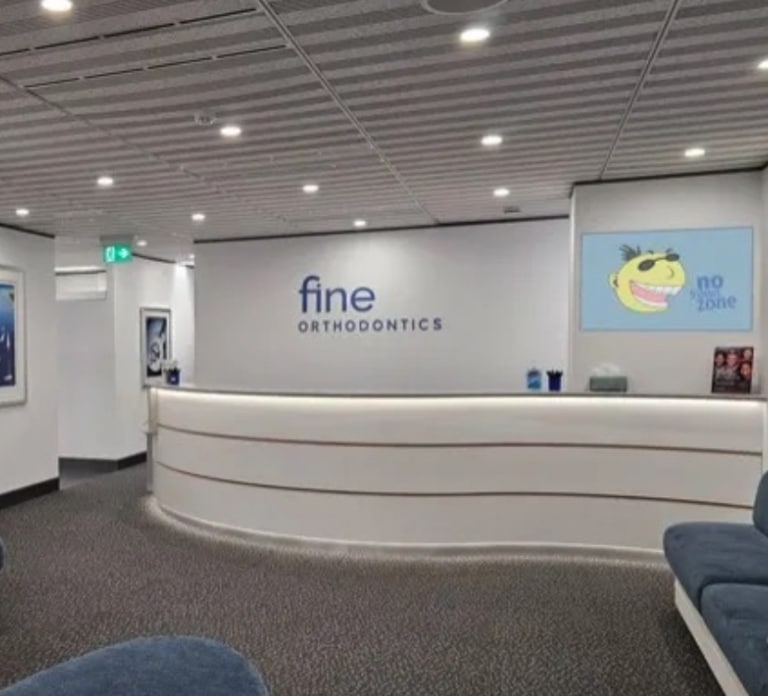
Schedule a Free* Assessment appointment at Fine Orthodontist Sydney to discuss how we can achieve your goals.
*If orthodontic X-rays are required, a fee of $180 applies. Treatment may not be suitable for you.
These Products are not available for purchase by the general public. They are however available to Fine Orthodontist Sydney patients. Always read the label and follow the instructions for use.
Learn more about braces:
- Explore factors affecting braces cost in Sydney.
- Can you get braces for top teeth only?
- Find out what to eat when you first get braces.